

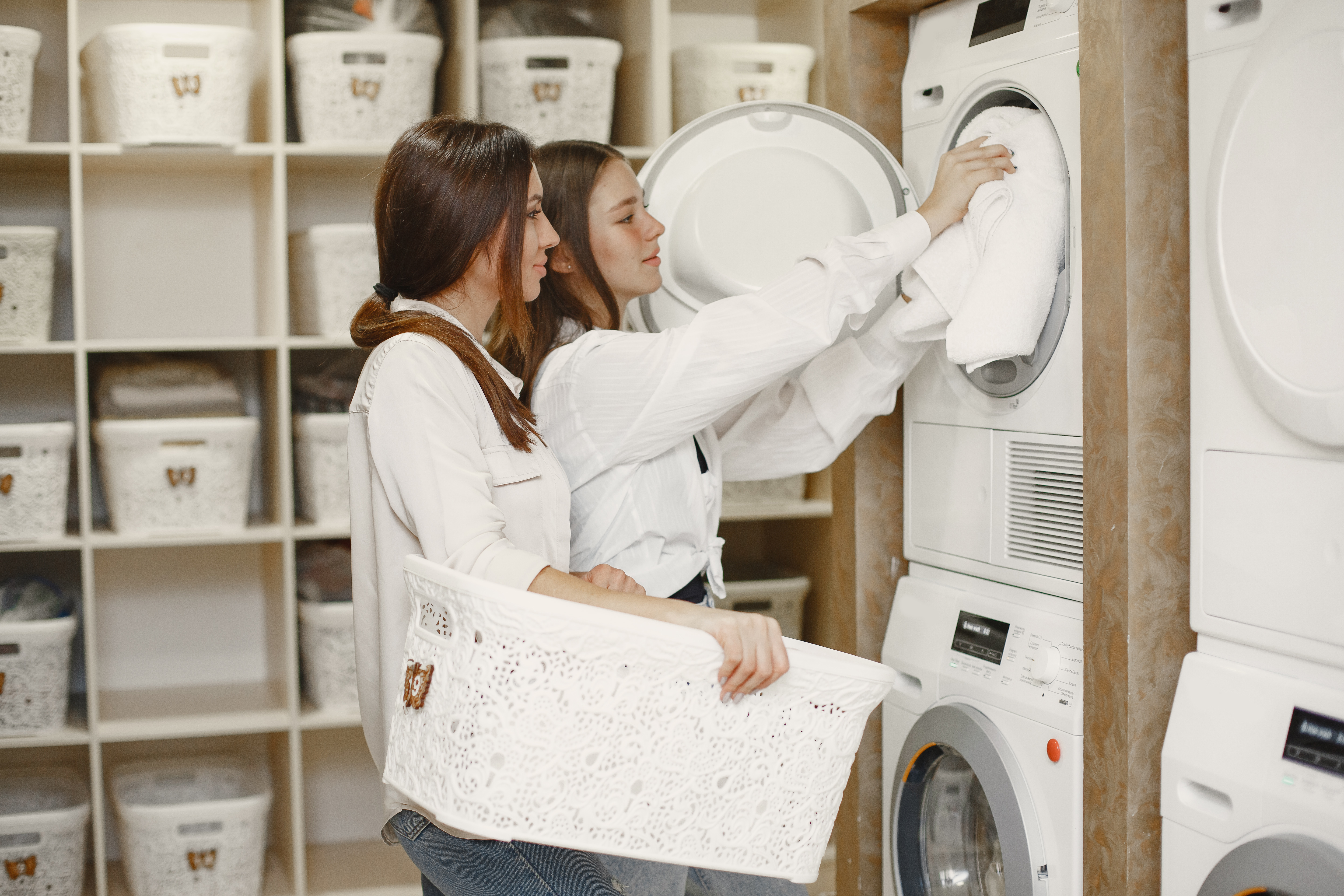
Washing clothes is only half the job. The other half is getting them properly dry.
Traditionally, most people have depended on sunlight and open-air drying. But changing lifestyles, smaller living spaces, unpredictable weather, and busy schedules are making tumble drying increasingly practical.
So how does tumble drying compare with sun or air drying?
The biggest advantage of tumble drying is predictability. You wash, dry, fold, and move on with your day.
Tumble drying circulates heated air inside an enclosed rotating drum, evaporating moisture in 40–50 minutes regardless of external rain, high humidity, or time of day.
You Don’t Have to Depend on the Weather
Sun drying works well when the weather cooperates.
But what happens when it rains for several days? Or when humidity stays high throughout the day? Clothes may remain damp for hours, sometimes even overnight.
Tumble drying removes this dependency completely.
Whether it is raining, cloudy, humid, or late in the evening, clothes can still be dried in a controlled environment. This is especially useful during the monsoon or winter when waiting for sunlight is not always practical.
Faster Drying Saves Time
Sun drying can take several hours — often 6 to 12 hours or more for thick clothes, jeans, towels, bedsheets, and hoodies.
Tumble dryers speed up the process by circulating heated air around clothes while they rotate smoothly inside the drum.
For students with early classes or professionals with tight schedules, this means laundry can be completed in a predictable amount of time. Instead of washing clothes in the morning and checking on them throughout the day, you can finish washing and drying as part of the same seamless routine.
Drying Space Is Becoming Limited
Not everyone has access to an open terrace, spacious balcony, or dedicated clothesline.
Students living in hostels and working professionals staying in PGs or urban apartments often have very limited space for drying clothes. Indoor drying can take up valuable room space, with chairs, racks, doors, and curtain rods quickly turning into temporary drying zones.
Tumble drying eliminates this clutter because clothes never need to hang around for hours. Once they are dry, they can be folded and put away immediately.
Clothes Smell Damp After Washing?
When clothes dry slowly — especially in humid conditions or rooms with poor airflow — moisture remains trapped deep inside the fabric weave. This damp environment allows bacteria to grow, leading to that unpleasant, musty odour.
Simply washing clothes thoroughly does not guarantee all-day freshness. Proper, prompt drying is equally essential. Drying clothes completely under controlled heat ensures no lingering dampness remains.
More Predictable, Even Results
Sunlight and outdoor airflow are not always uniform.
One side of a garment may dry faster than the other. Thick areas such as pockets, waistbands, collars, and seams can remain damp even when the rest of the clothing feels dry to touch.
Tumble drying provides consistent, even drying because clothes continuously rotate while warm air circulates around every layer. This is especially effective for heavy fabrics like denim and fleece.
| Factor | Tumble Drying | Sun / Air Drying |
|---|---|---|
| Weather Dependency | 100% independent (works rain, night, fog) | Dependent on sunshine and dry air |
| Drying Duration | 40 – 60 minutes | 6 – 24+ hours |
| Living Space Impact | Zero room clutter; no drying racks | Takes up balconies, chairs, and corridors |
| Odor & Hygiene | Eliminates damp smell; sanitizing heat | Risk of musty smell during high humidity |
| Drying Uniformity | Evenly dried pockets, seams, and collars | Uneven; requires manual turning |
Convenience Matters for Modern Living
The ultimate benefit of tumble drying is predictability.
You do not need to check the weather forecast, find enough clothesline space, rush to move clothes when sudden rain starts, or wait until the next afternoon for thick jeans to dry.
For modern living, where time and space are at a premium, that convenience makes all the difference.
Learn how WashTym smart hot-dry cycles work →
Frequently Asked Questions
Modern commercial dryers feature temperature controls tailored to fabric types. Everyday cottons, denims, and synthetics dry safely without excessive heat stress.
When wet clothes sit in stagnant indoor air, slow water evaporation allows mildew and bacteria to multiply, causing sour or musty smells.
Yes, commercial drum dryers are sized to handle bulky items like bath towels and double bedsheets effortlessly in a single cycle.
Key Takeaways
- No Weather Worry: Dry clothes cleanly during monsoon storms, winter fog, or late evenings.
- 1-Hour Routine: Wash, dry, and fold in one continuous routine without leaving damp clothes hanging.
- Fresh & Odor-Free: Fast thermal drying prevents moisture entrapment and unpleasant sour smells.