

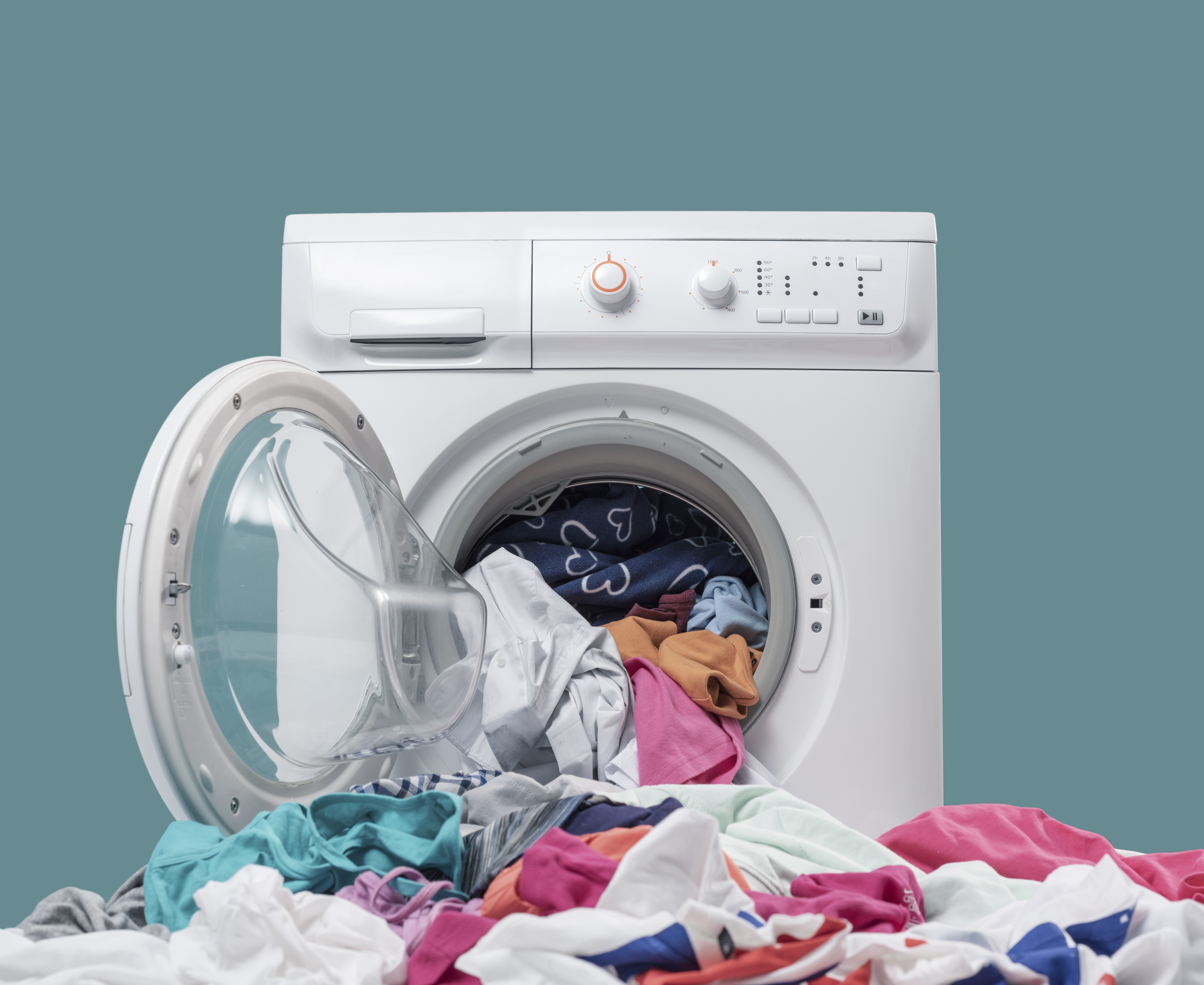
When the laundry basket is full, it can be tempting to put everything into the washing machine at once.
It feels faster, and it seems like fewer loads should mean less effort and time saved.
But when a washing machine is packed too tightly, the quality of the wash drops significantly. In many cases, splitting one very large load into two smaller, balanced loads gives noticeably better results.
A washing machine cleans through water, detergent, and motion. Without space to tumble, clothes simply cannot get clean.
Washing machines rely on mechanical friction and free water turnover. An overloaded drum forms a dense knot of fabric that prevents water and detergent from penetrating inner layers.
Clothes Need Space to Move
A washing machine cleans clothes through a combination of water, detergent, and physical drum movement.
When the drum is overloaded, clothes have less room to move around. That means detergent and water may not reach every part of the load properly. Some clothes may remain tightly packed together throughout the entire cycle without tumbling.
With a smaller, properly sized load, clothes move freely inside the drum. This helps water and detergent circulate evenly and gives the machine a better chance to clean the entire load thoroughly.
Overloading Can Affect Cleaning Quality
Putting more clothes into the machine does not mean you are getting more washing done efficiently.
If the load is too large, some clothes may come out looking clean on the surface but still hold trapped sweat, body oils, dirt, or detergent residue deep within the fibers.
This is especially common with heavier items such as jeans, towels, hoodies, and bedsheets. A correctly sized load allows each garment to receive sufficient water flow and mechanical agitation during the cycle.
So even though two loads may take a little more time, the results are consistently cleaner and fresher.
Rinsing Works Better With the Right Load Size
Cleaning is only one part of the wash cycle. The machine also needs to thoroughly rinse detergent out of your clothes.
If the drum is packed too tightly, rinse water cannot flush freely through the compressed fabrics. This leaves detergent residue behind, especially in thick fabrics, seams, and folds.
You may notice clothes feeling stiff, crunchy, soapy, or slightly itchy on sensitive skin after washing. Smaller, balanced loads improve rinsing because water has ample space to circulate and wash away all suds.
Heavy and Light Clothes Wash Differently
Not all clothes get washed the same way.
A lightweight T-shirt and a large bath towel may both fit into the same drum, but once wet, the towel becomes five times heavier. Bedsheets, denim jeans, towels, and sweatshirts absorb huge amounts of water compared to light everyday shirts.
When heavy and light items are forced into one massive load, the machine handles an unbalanced mixture of weight and friction. Heavy fabrics can crush lightweight garments and strain the machine’s suspension.
Separating heavy items into their own load protects delicate fabrics and makes drying much faster.
Smaller Loads Can Dry More Evenly
The size of your wash load directly affects drying speed and quality.
A massive batch of wet clothes holds excess moisture. When dried together, thick items remain damp even when lighter clothes feel dry, leading to uneven drying and musty odors.
When clothes are dried in a manageable load, heated airflow circulates freely around every garment. Thick areas such as waistbands, pockets, collars, and seams dry completely in standard cycle times.
| Factor | 1 Overloaded Large Load | 2 Balanced Smaller Loads |
|---|---|---|
| Cleaning Depth | Poor; dirt & sweat trapped inside folds | Thorough; full detergent penetration |
| Rinsing Efficiency | Leaves soapy residue & stiff fabric | Completely removes soap & allergens |
| Drying Uniformity | Uneven; damp pockets & waistbands | Even, fast, wrinkle-resistant drying |
| Fabric Wear & Tear | High friction; tangled seams & snags | Gentle tumbling; longer garment life |
| Machine Health | Strains motor, bearings & dampers | Smooth operation with zero unbalance |
Better Laundry Is About Balance
Trying to finish all your laundry in one crammed load may seem convenient, but an overloaded machine compromises washing, rinsing, and drying.
Two properly sized loads consistently deliver better results than one overloaded load. Your clothes get room to move, detergent circulates effectively, rinsing becomes thorough, and drying is even and fast.
The goal is not to wash fewer clothes overall. It is simply to give your clothes enough space to actually get clean.
Learn how on-site self-service machines handle balanced loads →
Frequently Asked Questions
A good rule of thumb is the "hand rule": place clothes loosely inside the drum until about three-quarters full, leaving enough room to slide your open hand comfortably between the top of the clothes and the drum roof.
Modern commercial machines (like WashTym’s LG washers) use smart load sensing to optimize water and cycle duration. Overloaded machines often require re-washes and double drying cycles, which end up wasting more energy.
It is best to wash bedsheets separately or with bath towels. Large sheets tend to wrap around smaller T-shirts during spinning, preventing them from getting properly washed and rinsed.
Key Takeaways
- Drum Space is Essential: Free movement is required for detergent dissolution, friction cleaning, and stain removal.
- Residue-Free Rinsing: Properly sized loads allow rinse water to flush away all soapy surfactants.
- Even Drying: Balanced loads dry 40% faster with zero damp seams or trapped musty odors.